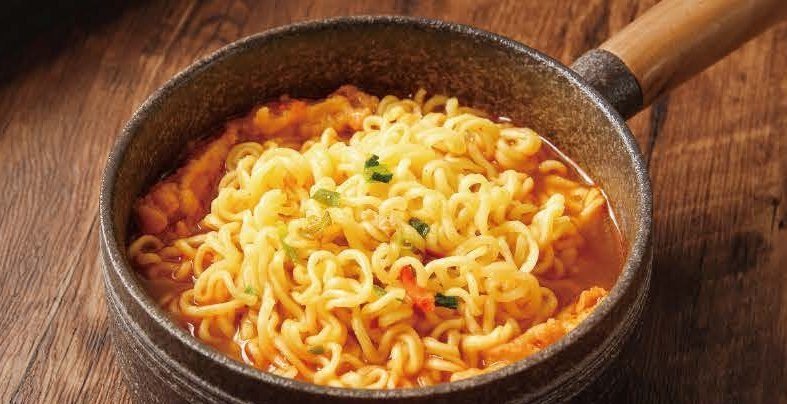
For chanachur, most Bangladeshi factories do best with a neutral or light-coloured HVP powder, because it adds a rounded savoury taste without darkening the yellow-gold colour of the sev and dal. For instant noodles, the HVP goes into the seasoning sachet, where a beef or poultry grade (or a neutral grade with a separate meat flavour) builds the broth taste. Shenzhen Phoenix Rising Technology supplies all of these HVP grades from certified Chinese manufacturers to food factories in Bangladesh, and sends samples with a COA so you can test two or three grades side by side before you order.
What does HVP actually do in chanachur and noodles?
HVP (hydrolyzed vegetable protein) is made by breaking down vegetable proteins from soybean, maize and wheat into amino acids and small peptides. Those amino acids give the "meaty", broth-like depth that people often call umami.
In a snack or noodle seasoning, HVP does three jobs:
- Builds savoury depth. It makes chilli, turmeric, black salt and spice taste fuller instead of sharp and thin.
- Brings back lost flavour. Frying, drying and months of storage in a packet flatten taste. HVP restores some of that body.
- Supports MSG and enhancers. HVP works together with MSG, I+G and disodium succinate, so many factories can balance or reduce MSG without the product tasting empty.
Which HVP grades are available?
Our partner manufacturers in China make HVP compound in powder and liquid form, in several flavour directions. The table below shows how each one usually fits Bangladeshi snack and noodle products.
| HVP grade | Taste and colour | Good fit for | Watch out for |
|---|---|---|---|
| Neutral | Clean savoury, mild aroma | Chanachur, potato chips, crackers, base for any seasoning | May feel too plain in noodle broth on its own |
| Light-coloured | Savoury with pale powder | Light chanachur, cheese or sour-cream snacks, white seasonings | Ask for the colour range on the specification |
| Beef | Rich, roasted meat note | Beef or masala noodle sachets, spicy snacks | Strong note can clash with delicate snack flavours |
| Poultry (chicken) | Softer broth note | Chicken noodle sachets, soup powder, mild snacks | Check it stays vegetarian if you label that way |
| Roasted | Deeper, toasted, darker | Dark masala, BBQ-style snacks, soup bases | Darkens light products; test colour on the finished product |
Which grade suits chanachur?
Chanachur is a mix of fried sev, dal, peanuts and sometimes flattened rice, coated with a dry masala of chilli, turmeric, salt, black salt and spices. Customers judge it first by colour and crunch, then by taste.
That is why most chanachur makers start with a neutral or light-coloured HVP powder:
- It does not darken the bright yellow-orange colour your buyers expect.
- It lets your own spice blend lead the flavour, so your brand still tastes like your brand.
- A dry powder mixes evenly into a dry masala and sticks to oily surfaces after frying.
A beef or roasted grade can work in a "spicy" or "BBQ" chanachur line, but test it against the neutral grade first. Many tasters prefer the cleaner taste in a traditional mix.
Which grade suits instant noodles?
In instant noodles, almost all the flavour sits in the seasoning sachet, not the noodle block. When the customer adds hot water, the sachet has to become a broth. HVP is one of the main ingredients that makes it taste like a broth rather than salty water.
For noodle sachets, factories usually choose:
- Beef or poultry HVP when the product is sold as "masala", "chicken" or "beef" flavour and the HVP should carry part of the meat note.
- Neutral HVP plus a separate meat flavour when the factory wants more control, for example to make several flavours from one HVP base.
- Soy sauce powder alongside HVP for a rounder, slightly fermented note. See our soy sauce powder page for grades.
How much HVP should I use?
These are the manufacturers' reference usage levels. They are starting points for your trial, not rules. Your final level depends on your recipe, your salt target and local regulations.
| Application | Reference usage level | Where it applies |
|---|---|---|
| Savoury snacks | 0.30–0.60% of the finished product | Chanachur, chips, extruded snacks, crackers |
| Seasoning mixes | 10–15% of the seasoning | Noodle sachets, snack seasoning, masala |
| Soup bases | 10–20% of the soup base | Instant soup, stock powder |
| Sauces | 20–24% of the sauce | Savoury sauces and gravies |
Notice the two ways of counting. In chanachur you often calculate HVP as a share of the whole finished snack (0.30–0.60%). In a noodle sachet you calculate it as a share of the seasoning powder (10–15%).
Remember the salt. HVP compound contains salt. When you add HVP, taste again and reduce the added salt in your masala, or the product can end up too salty.
How do I run a fair HVP trial?
A good trial takes a few days and saves months of complaints. Here is a simple method that works for chanachur and noodle factories:
- Fix the base recipe. Keep oil, frying time, masala and salt the same for every sample.
- Pick two or three grades. For chanachur, a neutral and a light-coloured grade. For noodles, a neutral and a beef or poultry grade.
- Test at three levels. For snacks, try the low, middle and high end of 0.30–0.60%. For sachets, try 10%, 12.5% and 15% of the seasoning.
- Taste blind. Code the samples with numbers. Ask five to eight people, including someone from sales who knows what customers say.
- Check colour. Compare finished chanachur in daylight. For noodles, compare the broth colour after cooking.
- Store and taste again. Keep packed samples for a few weeks in normal warehouse conditions and taste again. Flavour that holds up in storage is the real test.
- Record everything. Write down grade, batch number, level and results so you can repeat the winner exactly.
We send samples with the manufacturer's COA and specification sheet, so your QC team can test the same batch you would receive.
What should I check on the HVP COA and specification?
Before you approve a grade, ask the supplier for the COA (Certificate of Analysis) and specification sheet, and check:
- Appearance and colour – matches your sample and your colour target.
- Protein or amino nitrogen – an indicator of savoury strength; compare like with like between suppliers.
- Salt (sodium chloride) – needed to adjust your own salt.
- Moisture – important in Bangladesh's humid climate; a dry powder flows and stores better.
- 3-MCPD control – our partner factories control 3-MCPD strictly; ask for the figure on the COA.
- Microbiology – total plate count, yeast and mould, coliforms, as listed by the manufacturer.
- Certificates – our partner factories are FSSC 22000, ISO 22000 and HACCP certified, with Halal (including MUI) and Kosher products.
If two quotes look very different in price, compare protein, salt and moisture first. Our guide on what decides the HVP price explains why.
Powder or liquid, and how to store it?
For chanachur and noodle sachets, powder is the normal choice: it blends into dry masala and flows in sachet machines. Liquid HVP suits sauces and gravies. HVP powder picks up moisture in humid Bangladeshi weather, so keep bags sealed, off the floor, in a cool, dry room, and use older stock first.
How can a Bangladeshi factory buy HVP from China?
There are two routes. Larger orders are shipped by LC through Shenzhen Phoenix Rising Technology. Smaller quantities for trials or small factories are delivered door-to-door to Dhaka through DE International. HVP can be combined in one order with flavour enhancers such as disodium succinate, caramel colour, soy sauce powder and flavours. For shipping basics, see DE International's China to Bangladesh import guide.
Always confirm current BSTI / BFSA rules and import documents with your C&F agent before production and shipment.
FAQ
What is the best HVP for chanachur in Bangladesh?
A neutral or light-coloured HVP powder is the usual starting point for chanachur, because it adds savoury depth without darkening the product or hiding your spice blend. Manufacturers suggest 0.30–0.60% of the finished snack. Test two grades blind before deciding.
How much HVP goes into instant noodle seasoning powder?
Manufacturers give a reference level of 10–15% of the seasoning mix for noodle sachets. Start in that range, adjust for your salt and MSG levels, and taste the cooked broth, not only the dry powder.
Can HVP replace MSG in snacks?
Not completely in most recipes, but it helps. HVP adds body that lets many factories lower MSG while keeping taste. Combining HVP with disodium succinate or I+G gives more room to reduce MSG. Always run a trial.
Where can I buy HVP for my snack or noodle factory in Bangladesh?
Shenzhen Phoenix Rising Technology supplies HVP compound (neutral, light-coloured, beef, poultry and roasted grades, powder and liquid) from FSSC 22000 and Halal certified factories in China to food factories in Bangladesh. You get samples and a COA first; large orders go by LC and small quantities door-to-door through DE International in Dhaka. WhatsApp +880 1750-859967.
Is HVP Halal and vegetarian?
The HVP from our partner factory is made from soybean, maize and wheat protein, is vegetarian, and is Halal and Kosher certified. Ask us for the current certificates with your quotation, and check the certificate matches the exact product name and factory.